motorcycle shipping canada: what riders should know
How it works
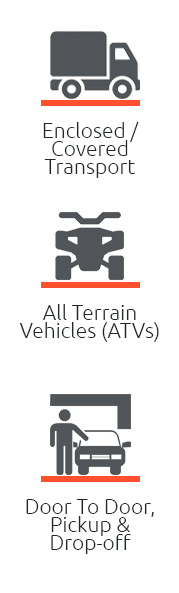
Moving a bike across Canada typically involves door-to-door or terminal service, crating for extra protection, and enclosed carriers that shield your ride from weather and debris. Reputable carriers provide inspection reports and cargo insurance, and many let you track progress online. Expect to remove accessories, reduce fuel, and photograph the bike before handoff.
Costs and timing
Pricing depends on distance, bike weight, service level, and season. Cross-country routes often take one to two weeks; remote communities or winter conditions can add a few days. Booking early around summer rallies and holidays helps secure better timelines and rates.
- Preparation: Clean the bike, note existing blemishes, and secure loose parts.
- Documents: Keep registration and ID handy for pickup and delivery.
- Insurance: Verify coverage limits and deductibles in writing.
- Crating vs. pallet: Crates cost more but offer superior protection.
- Delivery checks: Compare the bike to the original inspection on arrival.
Quick FAQs
Can I ship a non-running bike? Yes, but it needs special equipment. What about winter? Carriers operate year-round; enclosed transport is recommended during snow and salt season.